

I'm Chasing Dopamine, too.
Realizations from the week

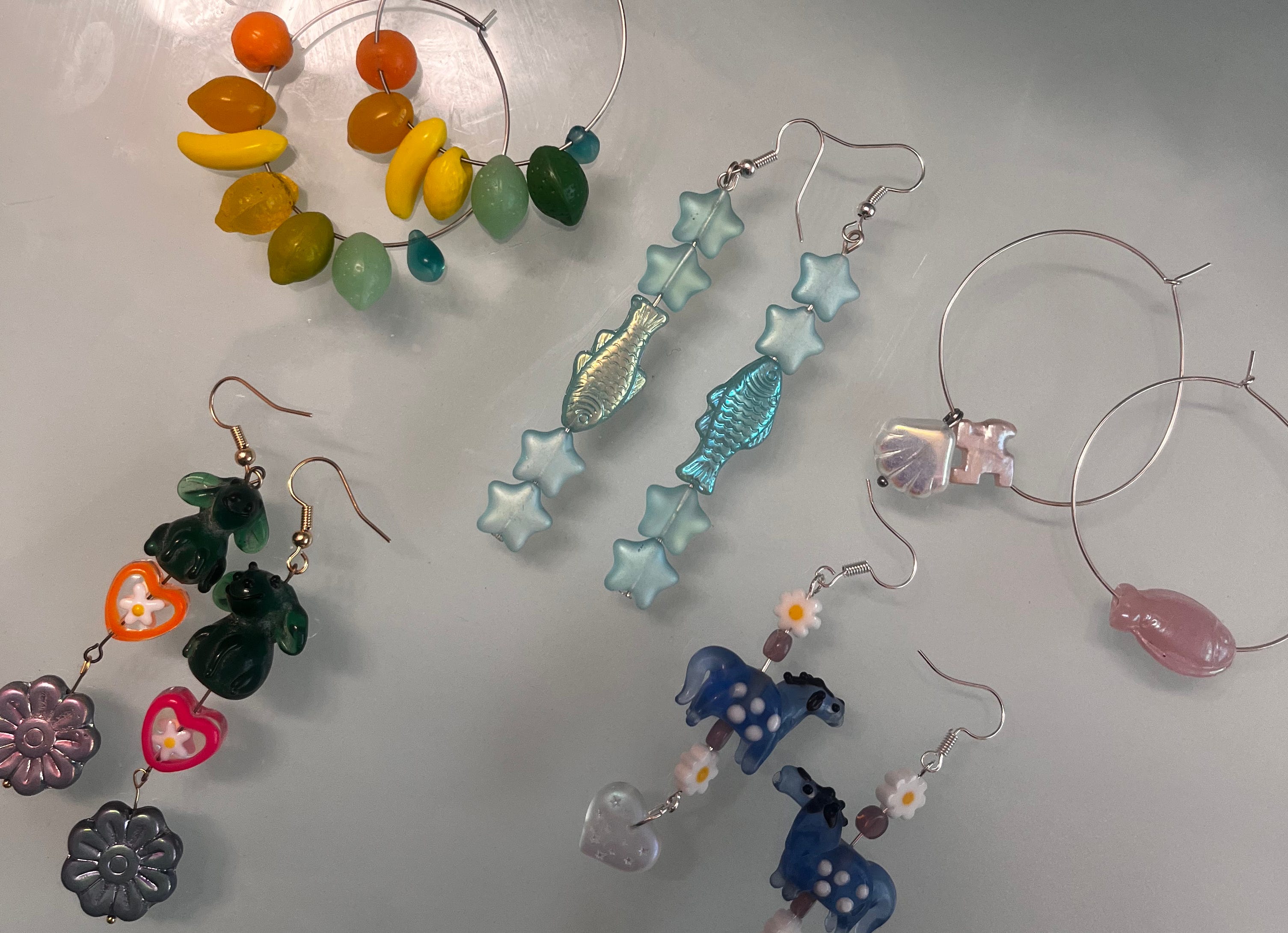
I’ve been trying to offset the news cycle—and the year it’s been (we’re only three weeks in?!)—with community.
Since late last year, really. And somewhere around Thanksgiving, I realized that maybe I didn’t need new community so much as I needed to lean into the one I already had. So that’s what I’ve been trying to do.
After a weekend that landed me in the arms of some of my closest friends—and then sent me to one of their homes to help her get on top of nourishment, quite literally, because we cooked together—I started this week with a realization:
I, too, am chasing the dopamine.
Anyone else?
This particular “ADHD special” is one I didn’t relate to as much in recent years—especially since realizing, later in life, that I almost certainly have ADHD (officially undiagnosed, extremely obvious). That discovery has shaped how I understand my responses to ongoing stress, collective trauma, the news cycle, America, and the slow, grinding erosion of what many of us were told democracy was supposed to be.
I digress. Or maybe I don’t.
Because here’s the thing: one of my greatest skills—maybe even a gift—has always been my ability to rest when it’s needed. I’ve had that capacity in abundance, and even more so in recent years as I’ve navigated chronic illness and pain.
And yet.
Here I am, my back in a flare, working full-time hours and then some (hello, multiple health coaching contracts), and when I hang up the phone or exit Zoom, I’m not resting. I’m going straight to my dining table. To make earrings. Endless, ridiculous earrings.
I’ve spent most of my income over the past month buying beads in every weird-little-guy shape and color imaginable, arranging them into combinations that give my heart a tiny thrill. And lately, I’ve noticed the thrill wearing off.
I’ll sit there for an hour or two at the end of the day, aware of hunger cues, aware that my body is asking me to stop and feed myself—and I can’t seem to pull away. Hyperfixation isn’t new to me. I can bore even you, gentle reader, to tears with obscure facts about 90s bands, marine mammals, nutrition, and sleep. But lately there’s a voice in my head saying, just stop and do nothing for a minute—and even I, queen of rest, am struggling to pause.
Which brings me back to dopamine.
In ADHD brains, dopamine regulation works a bit differently. Dopamine isn’t just about pleasure; it’s deeply tied to motivation, focus, and the ability to shift between tasks. When dopamine levels are low or inconsistent, the brain seeks stimulation to compensate. Novelty, urgency, creativity, scrolling, making things with our hands—these can all provide quick dopamine hits that help us feel more regulated in the short term. Emphasis on the short term.
The problem is that stress—especially chronic, ambient stress—burns through dopamine fast. And when the nervous system is already activated, we’re more likely to chase those quick hits even when our bodies are asking for rest, nourishment, or stillness.
And then there’s the part we don’t talk about enough: capitalism and productivity culture make all of this worse.
We live in a system that rewards urgency, output, and constant stimulation—and then shames people whose bodies and brains struggle to keep up. For ADHD folks in particular, this world is a dopamine casino: alerts, deadlines, metrics, infinite scroll, constant “shoulds” (let me add here for the record that “should” is a word and weapon of the patriarchy, so we can work on removing it from our vocabularies). The same system that exhausts us keeps offering tiny moments of relief. One more task. One more scroll. One more thing produced.
So when we’re chasing dopamine, we’re not just responding to our neurology. We’re responding to an environment that benefits from keeping us dysregulated.
The goal isn’t to eliminate dopamine-seeking. That’s neither realistic nor kind. The goal is to create steadier, more supportive sources of regulation—and to notice when the chase has tipped from helpful into depleting.
Here are a few ways I’ve been thinking about that lately, especially in a moment when so many of us feel tired and wired:
1. Take action.
I’ve written before about humane action as an antidote to despair and fear. Lately, my daily commitment has been using 5 Calls to contact my representatives, and exploring affordable trainings where I can lend my mind, body, and spirit to collective protection efforts. If donating money feels out of reach (and for many, it does), ask: what else can I offer right now? Can you protest? Call Congress? Volunteer with mutual aid or support folks being released from detention? How are your strengths best used in this moment? I’ve recognized my own lean toward creativity and leadership, so I’m exploring ways to mobilize friends and take collective action together. What’s yours?
2. Schedule rest.
Sometimes rest doesn’t happen unless it’s on the calendar. That’s not a moral failure—it’s an accommodation. How are you holding yourself accountable to rest? Who’s helping you protect that time?
3. Close the stress loop.
Gentle movement, stretching, walking, shaking it out—nothing intense. Just enough to signal to the nervous system that the threat has passed. We don’t need to optimize this. We just need to complete the cycle. What feels good to you?
4. Talk it out. Hug it out.
I cannot overstate the regulatory power of connection. Get on the phone. Sit with someone. Let your body experience safety through another human being. Who can you call when you need to hug it out?
5. Cook together.
This one surprised me, but it shouldn’t have. Nourishment on the plate is part of how we shore ourselves up for what’s ahead. Feeding ourselves—and each other—is not separate from resistance. Who can you gather with to experience nourishment?
6. Build guardrails around media consumption.
My best bet lately has been limiting news intake to a small number of trusted sources and checking in once or twice a day, max. I also use a Brick to make my phone “light” at certain hours, which helps interrupt doomscrolling. Can you imagine a schedule for media the way you might for meals or sleep? What would feel supportive rather than depriving?
7. Protect sleep and wake consistency.
From firsthand experience—and from my clients—I know that irregular sleep and wake times can spike stress responses, dysregulate circadian rhythm, and deeply affect mood. Consistency here isn’t about discipline; it’s about nervous system care. What might an ideal night of sleep look like for you?
All of this is less about doing more and more about choosing steadier sources of dopamine—or at least learning to interrupt the cycle when we notice ourselves spinning.
You’re not broken if rest feels hard right now. You’re responding to a world that keeps demanding more while offering less safety. If you’re chasing dopamine, you’re not alone.
I’m right there with you.
Hello Lauren, I sent you an important pm via Substack. Can you please check it out ASAP? Thanks so much for your time!